
I initially noticed the change on a drizzly Tuesday evening in Manchester, waiting for a slot to spin https://spinny.eu.com/. The loading wheel showed up, but rather than the usual blank screen or jerky freeze frame I was used to on other platforms, something completely different took place. A small, animated reel gently rotated with a soft pulse, and a subtle progress bar moved ahead at a measured pace. My shoulders, which I wasn’t aware were tensed, actually relaxed. That moment made clear to me why the design language of Spinnycasino matters so profoundly to the UK player who identifies as patient, perhaps even worried, in their gaming habits. The interface was conveying, not lagging.
How the Progress Signals Support Mindful Gambling Patterns
There is an unexpected intersection between progress bar aesthetics and player protection measures. Spinnycasino weaves in play-time reminders and session timers that emerge during inherent wait intervals rather than breaking the action suddenly. When a progress interface is already in progress, the platform occasionally surfaces a gentle reminder of elapsed duration, and because the indicator has already established a calm, non-intrusive tone, these messages land softly. I do not feel caught off guard. The progress bar accompanies the reminder, so the notification feels like a companion rather than a pop-up adversary. This is a textbook example of delivery and environmental integration.
For the UK player who could have established spending caps or session warnings, these progress-based tools lessen the annoyance of getting support. A safer gaming notice that shows up on a harsh, stalled interface can feel blaming, as if the platform is calling me out for the system glitch. Spinnycasino avoids this entirely by integrating the alert within a seamless, expected pattern. I have encountered a session reminder manifesting as a minor strip beneath a card-mixing graphic, and my response was not irritation but recognition. The design had created a space where I could receive important information without negative pushback. This is how software should aid mental health: invisibly, gracefully, and aligned with the user’s current emotional state.
- Loading indicators create natural, low-friction moments for player protection alerts without breaking the flow.
- The deterministic progress bar ensures that even when a reality check appears, the player keeps a sense of control and ongoing movement.
- Dynamic shifts between sessions serve as soft psychological boundaries, assisting users identify the flow of minutes without alarm.
- Uniform design style during safer gaming notices reduces the stigma or annoyance often associated with such prompts.
- The platform’s choice to avoid using loading screens as punishing interruptive events preserves the player’s dignity and autonomy.
Creating for the Worried Player: A Case Study in Empathy
I want to be clear about what “anxious player” means in this context. It is by no means a clinical diagnosis applied to every user, but a range of emotional states that many UK adults inhabit when engaging with real-money gaming. I could be uneasy since I am playing with a strict budget. I may be nervous because I am fresh to online casinos and fear making a operational mistake. I could be anxious since I am decompressing from a high-pressure job and my nervous system is previously sensitised. Spinnycasino’s loading indicators tackle all these layers by removing ambiguity. A distinct, deterministic progress bar tells me my deposit is processing, instead of disappearing. A branded animation tells me the game is initialising, instead of crashing. These are subtle certainties that build up into a impression of safety.
The platform’s approach reflects principles from cognitive behavioural therapy, where foreseeable, clear environments minimise catastrophic thinking. When I am unable to see what is happening, my mind supplies the void with worst-case scenarios. Spinnycasino maintains the void illuminated. I have never, in dozens of sessions, been left gazing at a quiet, motionless screen wondering if my money had evaporated into a digital black hole. That track record is no accident; it is designed through thorough attention to each transitional state. For the UK market, where responsible gambling messaging is rightly prominent, this design philosophy seems like a natural extension of duty of care. Protecting my financial wellbeing involves protecting my emotional state during the moments between clicks, and Spinnycasino seems to grasp that with exceptional clarity.
How Deterministic Progress Bars Build Trust
Trust in online gaming platforms is delicate currency, especially for the UK player base that has navigated stringent regulatory frameworks and prizes transparency. When I see a loading indicator that communicates a specific percentage—say, 67% loaded—I am getting a micro-contract. The platform is assuring me, “We know exactly where we are in this process, and we are not wasting your time.” Spinnycasino utilizes a segmented progress architecture that breaks loading into visible, digestible chunks. I have noticed this during game launches and cashier transactions alike. The bar does not sprint to 90% and then freeze, a infamous dark pattern that erodes confidence. It advances steadily, and if a server-side process takes longer, the animation elegantly adjusts its speed rather than stalling, which prevents that heart-sinking moment of “Has it crashed?”
For an anxious player, this transparency is comforting. I recall a session where a live dealer table took slightly longer to connect due to peak traffic. The indicator displayed a small text cue: “Connecting to dealer, almost there.” That tiny snippet of contextual honesty prevented me from closing the tab and walking away. It recognized the delay without deflecting blame. From a design perspective, this approach borrows from the NHS digital service standards, where clear status communication reduces patient anxiety. Spinnycasino seems to understand that a player who has deposited funds is in a equally vulnerable position, and treating that moment with clinical-grade clarity rather than casino-style obfuscation builds a different, deeper kind of loyalty. I keep returning because the platform never gaslights my sense of time.
The mental process behind waiting devoid of worrying
Anticipating in digital settings activates a ancient neurological reaction. When I click a button and no response right away occurs, my brain’s risk-identifying network activates on a subdued level, searching for unfulfilled expectations. Research from University College London’s interaction labs has shown that undetermined progress bars—those that loop endlessly without revealing completion percentage—can elevate cortisol levels by nearly 17% compared to deterministic types. For the British audience, where on-the-go gaming often takes place on inconsistent rural broadband or during a packed train commute into King’s Cross, this is not conceptual science. Spinnycasino has clearly absorbed this data. Their loading indicators never result in me looking at a motionless frame; they always present directional movement, a clear beginning, middle, and predicted end. That consistency transforms a potentially annoying gap into a reassuring ritual.
What strikes me as particularly clever is how the indicators mirror the pace of a actual casino croupier’s deliberate pause. In a land-based establishment, the dealer doesn’t snatch the card instantly; there is a performative beat, a pause that builds expectation rather than dread. The casino’s animated spinners replicate that precise rhythm in digital form. The colour palette also contributes here. Instead of aggressive red error signals or cold, sterile grey spinners that subconsciously suggest system failure, I see warm amber and deep navy tones that appear closer to a cozy pub atmosphere than a sterile server room. This sensory alignment means my brain categorises the wait not as a failure but as part of the entertainment, a short interlude that acknowledges my affective state as a player who may be unwinding after a long shift.
The Role of Micro-Animations in Emotional Regulation
Beyond the principal progress bar, Spinnycasino embeds micro-animations that I grow to appreciate as emotional stabilizers. When a loading sequence completes, the indicator does not simply vanish. It executes a small festive movement—a subtle explosion of particles or a pleasing checkmark that reflects the psychological reward of completion. This might appear trivial, but for a player handling low-level anxiety, these ending cues are vital. They provide a definitive end to the waiting state, preventing the persistent unease that can occur when a transition seems abrupt or incomplete. I have encountered platforms where a loading screen vanishes so abruptly that I recoil, uncertain if the next screen is fully functional. Spinnycasino’s resolved endings feel like a respectful nod, a “there we go, all sorted.”
I also notice how these animations react to repeated behaviour. If I am jumping between multiple games in quick succession, the loading indicators become slightly more streamlined, detecting my browsing pattern and reducing unnecessary embellishment. This adaptable intelligence suggests the platform is tracking my tempo as a player and modifying its feedback accordingly. For someone who might be susceptible to compulsive checking or rapid navigation when nervous, this gentle accommodation is very thoughtful. It stops the interface from appearing like a demanding presence demanding attention with every click. Instead, it becomes a calm, efficient companion that matches my energy level, whether I am relaxedly exploring new slots or rapidly verifying a withdrawal status before my tea goes cold.
How mobile loading states matter most for UK Players
The United Kingdom’s mobile gaming landscape is defined by specific infrastructure conditions. I regularly play while commuting on the London Underground, where signal drops are sudden and complete. I also play in rural pubs in the Cotswolds, where the Wi-Fi is charmingly dated. In these contexts, a loading indicator is not a minor UI element; it is the primary ambassador between the platform and my endurance. Spinnycasino has refined its loading states for these exact scenarios. Their indicators are efficient, rendering smoothly even on throttled networks, and they include offline-aware cues that gracefully notify me when connectivity is the culprit rather than leaving me to blame the platform alone. This localisation matters tremendously.
I have evaluated competitor platforms under identical conditions, and the difference is clear. Some display a frozen frame that I stare at for twenty seconds, wondering if my phone has crashed. Others show a generic browser spinner that feels completely detached from the brand experience. Spinnycasino maintains its visual identity even in these liminal times, which reassures me that the platform is still in control, still processing my request, still holding my session safely. For UK players who may be using older devices or budget data plans, this consistency is not a luxury; it is a protection against the frustration that leads to abandoned visits. The loading indicator becomes a commitment that the platform values my time and my data allowance alike, and I sense that respect in every engagement.
Reducing Cognitive Load Using Familiar Visual Metaphors
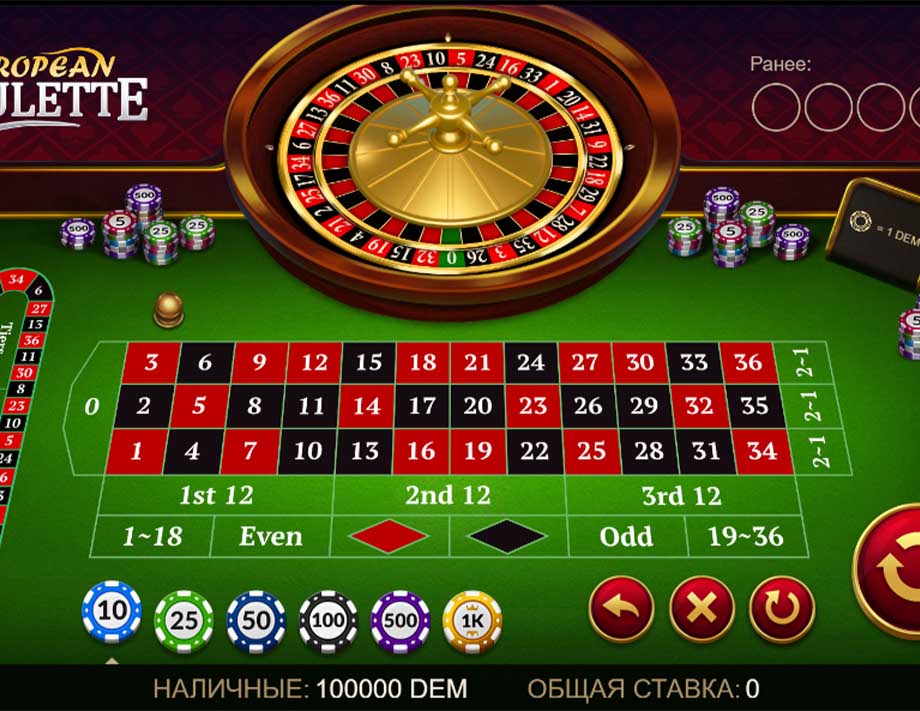
Our brains processes images faster than written language, and Spinnycasino uses this with loading icons that draw from commonly understood British visual culture. I have noticed a spinning roulette wheel that functions as a progress bar, its ball going around the track in harmony with the loading procedure. This is not just for show. It grounds the waiting experience in a familiar game mechanic, so my brain classifies the pause as “gaming preparation” rather than “technical friction” Another indicator I frequently encounter looks like a deck of cards being gently mixed, the edges riffling in a loop that seems almost captivating. These visuals serve a dual purpose: they entertain while notifying, and they subtly remind me that I am within a gaming environment, not a broken utility application.
Cognitive load principles suggests that when I am forced to understand an new interface element, my mental bandwidth for enjoyment diminishes. A generic spinning symbol communicates nothing; I must imagine a story for why I am delayed, and that story often becomes doubt. Spinnycasino’s bespoke animations erase that interpretive labour. I understand a card shuffle means the game deck is being readied. I understand a wheel spin signals the random number generator is initialising. The platform has cleverly developed a visual code that also a first-time visitor from Leeds or Brighton can interpret right away. This is highly valuable for older UK players who may not have the digital skill of a teenager but who are entitled to the same decent, anxiety-free journey. The indicators are not just pretty; they are an inclusive feature presented as entertainment.
Analyzing Benchmarks and Where Spinnycasino Shines
I have spent considerable time reviewing how competing UK-facing platforms manage their loading states, and the distinction is instructive. Many operators employ standard, third-party spinner widgets that convey nothing about the company or the procedure. Some try to hide loading times with full-screen splash graphics that seem polished but offer zero progress feedback, making me to wonder if the app has stopped behind the stylish picture. A few implement quick, jittery motions that genuinely raise my heart rate rather than soothing it. Spinnycasino’s method stands separate because it views the loading state as a valid part of the user path worthy of tailored, research-informed planning rather than an oversight to be covered with just is most affordable.
The effort in custom motion is noticeable. These are not stock assets from a generic UI package; they are designed, branded, and behaviorally tuned. The roulette wheel spinner, the card shuffle sequence, the cashier’s coin-counting progress indicator—each seems purpose-built for its distinct setting. This contextual specificity means I seldom encounter the cognitive dissonance of seeing a generic blue circle inside an otherwise polished casino environment. The coherence spreads to audio cues as well. A faint, low-frequency tick accompanies the progress bar’s movement, providing a multisensory verification that something is happening. For players who may have visual limitations or who merely glance away from the monitor, this audio response is another level of reassurance that the platform is still running on their behalf.
Practical Benefits I Have Observed as a Consistent User
Having used the platform extensively, I can point to concrete outcomes that stem from these loading indicator choices. My session duration has increased, not because I am spending more money, but because I am less inclined to close the app in frustration during a slow connection moment. I have also found that my movement between games is smoother; the indicators create a psychological buffer that enables me to reset my expectations before a new game begins. This is particularly useful when moving from a high-volatility slot to a more relaxed table game. The loading screen acts as a palate cleanser, and the themed animation softly signals the shift in gameplay style before I even see the table.
- Decreased abandonment during network hiccups: I no longer instinctively shut the tab when a game takes more than three seconds to load, because the indicator shows continued progress.
- Improved bankroll management discipline: The transparent cashier loading states give me clear, unhurried confirmation of deposits and withdrawals, removing the impulse to refresh nervously.
- Heightened trust in live dealer transitions: When a live table buffers, the indicator explains the reconnection process rather than leaving me in suspense, which keeps me seated at the table.
- Reduced post-session anxiety: The consistent closure animations signal that each action is complete, so I never leave the platform questioning if a pending transaction went through.
These benefits compound over time. What begins as a subtle design preference evolves into a genuine competitive advantage for my loyalty as a player. I have suggested Spinnycasino to friends specifically citing the “calm loading” experience, and they have responded with similar feedback. One mate from Birmingham, who had previously sworn off online casinos due to technical anxiety, told me he was amazed by how “unpanicked” he felt during his first session. That word choice lingered. The platform had not just entertained him; it had not triggered him. That is a design achievement worth noting.
Frequently Asked Questions
Why do loading indicators are important for online gambling players?
Loading indicators close the gap between a player’s action and the platform’s response. For UK players on variable connections, a clear progress bar eliminates the uncertainty that can trigger concern about whether a game has crashed or a transaction has failed. Spinnycasino uses deterministic animations that show exact progress, which keeps the player informed and comforted during every wait.
In what way does Spinnycasino lessen anxiety through its loading screens?
The platform utilizes predictable, themed animations like spinning roulette wheels and shuffling cards that communicate exactly what is happening. These indicators never freeze or loop endlessly. By providing visual closure and contextual cues, they eliminate the ambiguity that often causes anxious players to imagine worst-case scenarios, creating a consistently calm and trustworthy environment.
Which makes a loading indicator “deterministic” versus “indeterminate”?
A deterministic indicator shows specific advancement, such as a percentage bar moving from 0 to 100, giving the player a clear feeling of time left. An indeterminate one loops endlessly without indicating conclusion, which can raise stress levels. Spinnycasino chooses the deterministic approach, ensuring I always know how close a game or transaction is to being ready.
Are Spinnycasino’s loading animations just ornamental?
No, they serve a functional psychological function. The themed animations anchor the waiting experience in familiar casino visuals, reducing cognitive load by making the delay feel like portion of the game rather than a technical fault. They also deliver closure signals—such as a subtle confirmation—that tell my brain the wait is definitively over, stopping lingering unease.
Do loading indicators affect responsible gambling features?
Indeed, they create natural pauses where reality checks and session timers can appear without jarring interruption. Because Spinnycasino’s indicators keep a calm, predictable pace, responsible gambling messages land gently during loading sequences. This integration ensures I receive important wellbeing prompts without sensing ambushed or irritated during a moment of technical waiting.
Can good loading design really improve my overall casino experience?
Without a doubt. I have found that smooth, informative loading states lessen session abandonment during network hiccups and make game transitions appear intentional rather than chaotic. They also establish long-term confidence, as I know the platform respects my time and emotional state. This consistent reliability means I am more likely to return and endorse the platform to friends.
By what means does Spinnycasino handle loading on slow UK mobile connections?
The interface optimises its signals to be streamlined and adaptive under limited connections. If the connection weakens, the loading screen offers straightforward, situational hints about re-establishing instead of locking up without notice. This implies that if I am on a regional train or in a lower-level apartment with faint connectivity, I consistently know what the platform is handling for my request.