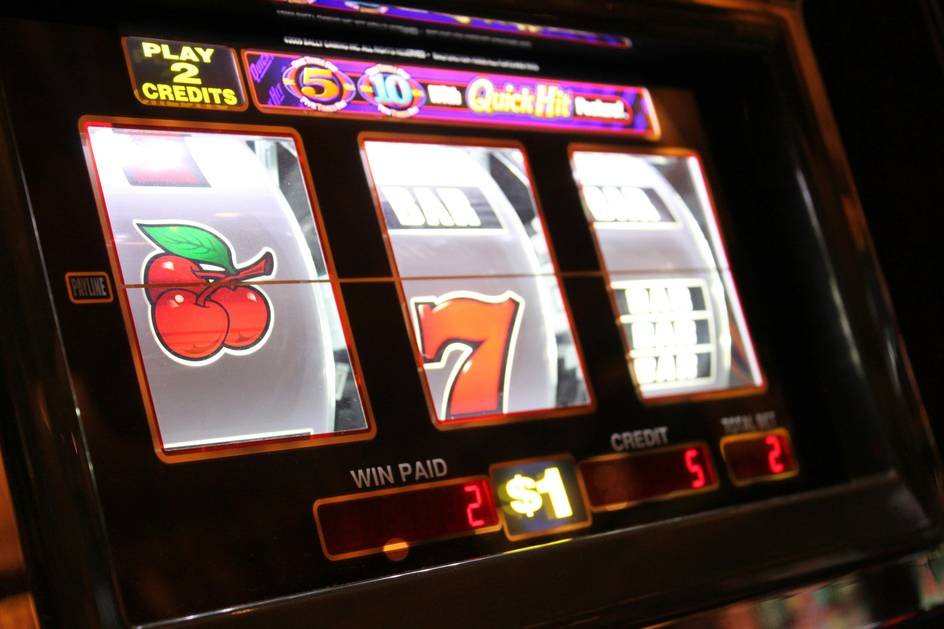
Online casinos have become increasingly popular in recent years, with millions of players worldwide enjoying their favorite games from the comfort of their own homes. But have you ever wondered how online casinos actually work? From the technology that powers their games to the fairness and payouts, there’s a lot that goes on behind the scenes. In this article, we’ll take a closer look at the inner workings of online casinos, including the role of Mr Jones Casino in providing a fair and enjoyable gaming experience.
The online casino industry is a complex and highly regulated field, with many different components working together to provide a seamless and enjoyable experience for players. From the software that powers the games to the security protocols that protect player data, every aspect of an online casino is carefully designed and implemented to ensure a fair and fun experience.
The Core Technology: How Online Casino Software Functions
At the heart of every online casino is a sophisticated software platform that powers the games, manages player accounts, and handles transactions. This software is typically provided by a third-party supplier, such as Microgaming or Playtech, and is designed to be highly secure and reliable. The software uses a combination of algorithms and random number generators to ensure that the games are fair and unpredictable.
The software also includes a range of features and tools that help to prevent fraud and ensure that players are who they say they are. This includes identity verification protocols, such as Know Your Customer (KYC) and Anti-Money Laundering (AML) procedures, which help to prevent underage gambling and other forms of illicit activity.
Random Number Generators (RNG): The Heart of Digital Fairness
Random number generators (RNGs) are a critical component of online casino software, as they are used to generate the random outcomes that determine the result of each game. A good RNG should be able to produce a truly random and unpredictable sequence of numbers, which is essential for ensuring that the games are fair and unbiased.
There are several different types of RNGs used in online casinos, including pseudo-RNGs and hardware-based RNGs. Pseudo-RNGs use algorithms to generate a sequence of numbers that appear to be random, while hardware-based RNGs use physical devices, such as thermal noise or radioactive decay, to generate truly random numbers.
Front-End vs. Back-End: Creating the User Experience
The front-end of an online casino is the part that players interact with directly, including the website, mobile app, or desktop client. The front-end is responsible for providing a user-friendly and intuitive interface that allows players to easily navigate the site, select games, and manage their accounts.
The back-end, on the other hand, is the part of the casino that players don’t see, including the servers, databases, and software that power the games and manage player accounts. The back-end is responsible for handling transactions, managing player data, and ensuring that the games are fair and secure.
Live Dealer Technology: Bridging the Gap Between Virtual and Real
Live dealer technology is a relatively new development in the online casino industry, which allows players to interact with real, human dealers in real-time. This is made possible through the use of high-definition video streaming and advanced software that allows players to place bets and interact with the dealer in real-time.
Live dealer games are becoming increasingly popular, as they provide a more immersive and engaging experience for players. They also help to build trust and confidence in the integrity of the games, as players can see the dealers and the game outcomes in real-time.
Ensuring Fairness: Regulation and Third-Party Audits
Ensuring fairness and integrity is a top priority for online casinos, which is why they are subject to strict regulation and oversight. In the UK, for example, online casinos are required to be licensed and regulated by the UK Gambling Commission, which ensures that they meet strict standards for fairness, security, and player protection.
In addition to regulation, many online casinos also undergo third-party audits and testing to ensure that their games and software are fair and random. This includes testing by independent agencies, such as eCOGRA, iTech Labs, and GLI, which verify that the games and software meet strict standards for fairness and integrity.
| eCOGRA | Software testing and player protection | RTP verification and RNG integrity | Industry Gold Standard |
| iTech Labs | Quality assurance and certification | Platform security and game math | High |
| GLI (Gaming Laboratories International) | Regulatory compliance | Global jurisdictional standards | High |
| BMM Testlabs | Technical systems testing | Cybersecurity and RNG audits | High |
The Mathematics of Payouts: RTP and House Edge Explained
The mathematics of payouts is a critical aspect of online casinos, as it determines the likelihood of winning and the potential returns on investment. The two key concepts in this area are Return to Player (RTP) and House Edge.
RTP refers to the percentage of money that is returned to players over time, while House Edge refers to the built-in advantage that the casino has over players. A good RTP should be high, typically above 95%, while a low House Edge is also desirable, as it gives players a better chance of winning.
Understanding Return to Player (RTP) Percentages
RTP percentages vary widely depending on the game and the casino, but a good RTP should be transparent and clearly displayed. For example, a slot machine with an RTP of 97% will return £97 for every £100 wagered, while a game with an RTP of 92% will return £92 for every £100 wagered.
It’s worth noting that RTP is a long-term average, and short-term results can vary significantly. However, a high RTP is generally a good indicator of a fair and generous game.
The House Edge: How Casinos Maintain Long-Term Profitability
The House Edge is the built-in advantage that the casino has over players, and it’s what allows casinos to maintain long-term profitability. The House Edge varies depending on the game, but it’s typically around 2-5% for most casino games.
For example, in roulette, the House Edge is around 2.7% for European roulette and 5.26% for American roulette. In blackjack, the House Edge is around 0.5% if players use basic strategy.
Volatility and Variance: Why Short-Term Results Differ from Statistics
Volatility and variance refer to the degree of randomness and unpredictability in a game. A high-volatility game will have more extreme highs and lows, while a low-volatility game will have more consistent and stable results.
Short-term results can differ significantly from statistical averages due to variance, which is why it’s essential to understand the mathematics of payouts and to manage your bankroll effectively.
Security Protocols: Protecting Player Data and Transactions
Security is a top priority for online casinos, which is why they use a range of protocols to protect player data and transactions. This includes encryption, firewalls, and secure socket layer (SSL) technology.
Online casinos also use Know Your Customer (KYC) and Anti-Money Laundering (AML) procedures to verify player identities and prevent illicit activity.
SSL Encryption and Secure Data Transmission
SSL encryption is a critical component of online casino security, as it ensures that data is transmitted securely and privately. This includes sensitive information, such as credit card numbers and personal details.
Online casinos also use secure data transmission protocols, such as HTTPS, to ensure that data is protected from interception and eavesdropping.
KYC (Know Your Customer) and Anti-Money Laundering (AML) Procedures
KYC and AML procedures are essential for preventing illicit activity and ensuring that players are who they say they are. This includes verification of identity, age, and address, as well as monitoring of transactions for suspicious activity.
Online casinos also use advanced software and algorithms to detect and prevent money laundering and other forms of illicit activity.
Blockchain Integration: The Future of Transparent Transactions
Blockchain technology is being increasingly used in online casinos to provide transparent and secure transactions. This includes the use of cryptocurrencies, such as Bitcoin, and blockchain-based payment systems.

Blockchain technology provides a range of benefits, including increased security, transparency, and speed, and it’s likely to play a major role in the future of online gaming.
How Payouts are Processed: From Win to Withdrawal
Payouts are an essential part of the online gaming experience, and they’re typically processed quickly and efficiently. This includes the use of secure payment systems and fast withdrawal times.
Online casinos also use a range of payment options, including credit cards, e-wallets, and bank transfers, to make it easy for players to deposit and withdraw funds.
Payment Gateway Integration
Payment gateways are critical components of online casinos, as they enable secure and efficient transactions. This includes the use of third-party payment processors, such as PayPal and Neteller, to facilitate deposits and withdrawals.
Online casinos also use advanced software and algorithms to detect and prevent fraudulent transactions, ensuring that players’ funds are protected at all times.
Withdrawal Pending Periods and Verification Steps
Withdrawal pending periods and verification steps are essential for ensuring that payouts are processed securely and efficiently. This includes the use of verification protocols, such as KYC and AML, to ensure that players are who they say they are.
Online casinos also use secure payment systems and fast withdrawal times to ensure that players receive their payouts quickly and efficiently.
Author
Author: Marcus Sterling, Senior iGaming Analyst. Marcus has over 12 years of experience in the gambling industry, specializing in software architecture and regulatory compliance. He has consulted for major European gaming hubs and regularly publishes deep dives into the mathematical models behind modern slot mechanics.
FAQ
Are online casinos rigged?
No, online casinos are not rigged, as they are subject to strict regulation and oversight. This includes regular audits and testing to ensure that the games and software are fair and random.
What is a “good” RTP for an online slot?
A good RTP for an online slot is typically above 95%, although this can vary depending on the game and the casino. A high RTP is generally a good indicator of a fair and generous game.
How do I know if a casino’s RNG is actually random?
You can verify the randomness of a casino’s RNG by looking for third-party certification, such as eCOGRA or iTech Labs. These agencies test the RNG to ensure that it meets strict standards for fairness and randomness.
Why do some payouts take longer than others?
Payouts can take longer than expected due to a range of factors, including verification protocols and payment processing times. However, most online casinos strive to process payouts quickly and efficiently, typically within 24-48 hours.
Can technology predict the next winning number in roulette?
No, technology cannot predict the next winning number in roulette, as the outcome is determined by a random and unpredictable process. While some systems and strategies may claim to be able to predict the outcome, these are often based on flawed assumptions and are not supported by scientific evidence.