
Exploring the cultural significance of gambling across different societies
The Historical Roots of Gambling
Gambling is an ancient practice that has existed for thousands of years, with its roots tracing back to the earliest civilizations. Archaeological findings indicate that games of chance were played in ancient China, Egypt, and Rome, often linked to religious ceremonies and social gatherings. These activities were not merely for entertainment; they held significant cultural importance, often reflecting societal values and beliefs. For instance, in ancient Rome, betting on chariot races was a popular pastime that united citizens and highlighted the competitive spirit of the time. Many modern enthusiasts find their favorite games on platforms like 1Win, which showcases extensive options for players.

As societies evolved, so did the nature of gambling. The emergence of organized games, such as dice and card games, showcased the ingenuity of human creativity. In medieval Europe, gambling became intertwined with social hierarchies, with nobles engaging in high-stakes bets that reflected their status. These historical developments illustrate how gambling has always been more than a mere game; it serves as a mirror to societal changes and cultural evolution.
The interplay between gambling and economics is another critical aspect of its history. In many cultures, gambling activities have driven local economies, leading to the establishment of markets and businesses. For instance, the rise of casinos in the 20th century not only provided entertainment but also created jobs and contributed to tourism. This economic significance demonstrates that gambling has always played a multi-dimensional role in societal development.
Gambling as a Social Activity
In many cultures, gambling functions as a social glue, bringing people together in shared experiences. From local bingo nights to high-stakes poker games, gambling creates opportunities for social interaction that transcend age and background. In countries like India, traditional games such as Teen Patti and Rummy are often played during festivals, fostering community bonding and cultural exchange. Such activities highlight the role of gambling in promoting social cohesion.
Moreover, the communal aspect of gambling often enhances its significance. Game nights can serve as informal gatherings where people share stories, laughter, and camaraderie. This social dimension becomes particularly evident in cultures where gambling is a collective experience, such as in certain Native American tribes, where games are intertwined with community events and celebrations, further embedding gambling into the cultural fabric.
However, while gambling promotes social interaction, it can also lead to tension and conflict. In societies where gambling is heavily regulated or viewed with disdain, it can create a divide between traditional values and modern practices. This dichotomy raises questions about how societies negotiate the benefits and risks of gambling as a social activity, reflecting broader cultural debates regarding morality, entertainment, and economic opportunity.
The Impact of Gambling on Identity and Rituals
Gambling often intersects with cultural identity and rituals. In many indigenous cultures, gambling games serve not only as entertainment but also as a means of cultural expression. For example, various Native American tribes have traditional gambling games that are integral to their cultural identity, often used in ceremonies or community gatherings. These games uphold traditions while allowing individuals to connect with their heritage and ancestors, emphasizing the cultural significance of gambling beyond mere chance.
In some Asian cultures, gambling is deeply woven into festivals and religious practices. For instance, during the Lunar New Year, families participate in games of chance, believing that luck in gambling will bring prosperity for the year ahead. This ritualistic aspect of gambling not only fosters family bonding but also reinforces cultural beliefs about luck, fate, and fortune, highlighting how gambling acts as a vehicle for cultural values.
However, it is crucial to recognize the duality of gambling’s impact on identity. While it can serve as a source of pride and cultural celebration, it can also lead to stigmatization and conflict, particularly in societies that view gambling negatively. These contrasting perspectives illustrate the complex relationship between gambling, identity, and cultural rituals, prompting discussions about how societies manage this multifaceted phenomenon.
Modern Perspectives on Gambling
In the contemporary world, gambling has evolved significantly, driven by advancements in technology and changing societal attitudes. The rise of online gambling platforms has made it more accessible, allowing individuals to engage in various games from the comfort of their homes. This shift has transformed gambling into a global phenomenon, where cultural boundaries blur, and individuals from different backgrounds participate in shared experiences.
However, this modern landscape also presents challenges. With the accessibility of online gambling comes concerns over addiction, regulation, and societal impacts. Many governments grapple with finding the right balance between allowing freedom of choice and protecting vulnerable populations. This ongoing debate highlights the complexities of gambling in the modern age, where cultural significance must be weighed against potential negative consequences.
Furthermore, the portrayal of gambling in popular culture has also shifted, with movies, television shows, and social media glorifying the glamorous lifestyle associated with high-stakes gambling. This representation can influence public perception, creating a dichotomy between the thrill of gambling and the realities of addiction and financial risk. As societies navigate these influences, the cultural significance of gambling continues to evolve, shaped by both tradition and modernity.
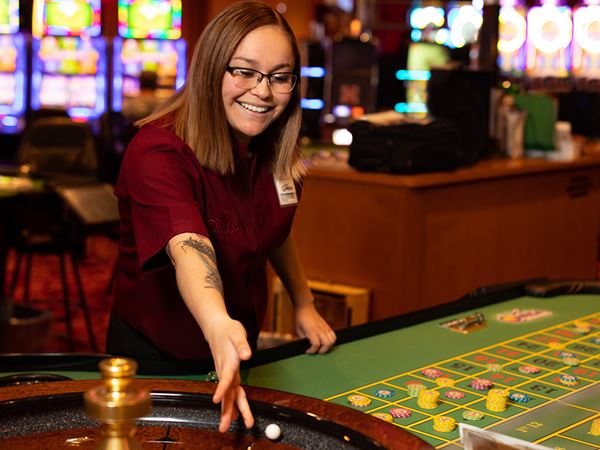
Exploring 1Win and Its Role in Modern Gambling Culture
In the context of modern gambling, platforms like 1Win play a crucial role in shaping user experiences. Offering an extensive selection of games, including slots and live casino options, 1Win attracts a diverse audience looking for both entertainment and the thrill of chance. The platform’s user-friendly design and secure transaction methods contribute to a safe and enjoyable gambling experience, resonating with users across various cultural backgrounds.
1Win also emphasizes the importance of responsible gambling, providing resources and support for users to navigate their gambling experiences safely. This focus is essential in today’s gambling landscape, where the balance between enjoyment and responsibility is increasingly vital. By prioritizing user welfare, 1Win aligns with cultural values that advocate for the well-being of individuals and communities.
Ultimately, 1Win represents a contemporary embodiment of gambling’s cultural significance, blending traditional elements of chance with modern technology. As societies continue to evolve, platforms like 1Win will play a pivotal role in shaping the future of gambling, reflecting cultural shifts while respecting the rich history that underlies this universal practice. Through this lens, gambling remains a dynamic and multifaceted aspect of human society, illustrating its enduring relevance across different cultures.